


I WILL NOT FUCKING BEG FOR MEDICAL CARE: A DISABLED NAVY VETERAN'S MESSAGE TO THE VA


By Julie Jewels Smoot | CS3(SW), United States Navy Veteran | Author Honey Badger
I am 48 years old.
I am a United States Navy veteran.
I served aboard the USS Ronald Reagan. I earned my Surface Warfare qualification. I fulfilled my responsibilities as a sailor.
I am also a 100% service-connected disabled veteran.
And today, I have something to say to the Department of Veterans Affairs.
I WILL NOT FUCKING BEG FOR MEDICAL CARE.
Not today. Not tomorrow. Not ever.
My Knee Is Service-Connected. Why Am I Fighting for a Phone Call?
I have a service-connected knee condition.
I have undergone surgery on that knee. I have hardware in my leg. I know what it means to live with pain, limitations, and the long-term consequences of injuries.
Recently, I have been experiencing pain and swelling around that knee and lower leg.
I need medical attention.
Not sympathy.
Not another speech thanking me for my service.
Not another bureaucratic obstacle.
I NEED SOMEONE TO ACTUALLY EXAMINE MY FUCKING KNEE.
So I contacted the VA.
I obtained my eligibility number. I left a message requesting assistance.
No return call.
I called again.
Another message.
Still no meaningful communication.
I have reached a point in my life where I normally ask once. I communicate clearly, and I expect people to take my words seriously.
Yet I made additional attempts because this concerns my health.
And now I am finished making phone calls.
I Am Not Asking for a Favor
Let me make something perfectly clear.
I am not asking the VA to do me a personal favor.
I am a veteran seeking medical attention for a service-connected condition.
There is a difference.
When I enlisted in the United States Navy, I accepted responsibilities, obligations, and expectations.
I was expected to show up.
I was expected to do my job.
I was expected to follow orders, maintain standards, and fulfill my duties.
I did those things.
Now I am asking a healthcare system established to serve veterans to respond to a request for medical care.
Why the hell should getting a phone call returned be this difficult?
I am not asking for preferential treatment.
I am asking for access to healthcare.
And I am tired of feeling as though veterans must repeatedly prove that their needs deserve attention.
Why I Stopped Trusting the VA
My frustration with the VA did not begin with an unanswered telephone call.
Years ago, I experienced a deeply distressing medical encounter during a Pap smear at a VA facility.
I disclosed that I was a rape survivor.
I explained that the examination was triggering me.
I needed the healthcare professional to listen.
Instead, I experienced the encounter as dismissive and retraumatizing. I had a severe PTSD response.
That experience profoundly damaged my trust in VA healthcare.
For years, I avoided returning.
So when I recently decided to contact the VA about my knee, that decision was not a small one.
I was willing to approach a system associated with painful memories because I needed medical attention.
And what happened?
I left messages and waited.
Do you understand how difficult it can be for a trauma survivor to reach out to a healthcare system that has previously caused harm?
A returned phone call might seem insignificant to someone sitting behind a desk.
To the person waiting, it can mean the difference between feeling heard and feeling dismissed all over again.
One Phone Call Should Be Enough
I have spent much of my life learning the importance of boundaries.
I no longer believe that I must explain myself repeatedly to deserve basic respect.
When I ask for something, I mean what I say.
When I establish a boundary, I expect it to be respected.
And when I say I am finished chasing someone, I mean it.
I made more attempts to contact the VA than I ordinarily would.
I gave them opportunities to respond.
There will be no more phone calls from me.
That does not mean I am abandoning my health.
It means I am refusing to turn access to healthcare into another exhausting battle.
My Next Stop Is Urgent Care
If I do not hear from the VA today, my next step is urgent care.
I do not have other medical insurance.
That means I may face significant out-of-pocket expenses, depending on what services I receive and whether any coverage or assistance is available.
An examination costs money.
X-rays cost money.
An MRI, if needed, costs money.
And if my knee requires additional treatment, those expenses could become substantial.
Why should I have to contemplate paying those bills myself while waiting for the VA to respond about a service-connected condition?
I recognize that VA coverage for outside care involves eligibility and authorization rules. I am not assuming an urgent care visit will automatically be covered.
But my knee still needs medical attention.
I cannot simply pretend the pain and swelling do not exist because a telephone call has gone unanswered.
And I should not have to choose between protecting my finances and addressing my health.
Stop Thanking Veterans While Ignoring Their Healthcare Needs
Every Veterans Day, Americans hear familiar words.
"Thank you for your service."
"We honor our veterans."
"We support those who served."
Those words can be meaningful when they are accompanied by action.
But I have a question.
What does honoring veterans actually look like when they are trying to access medical care?
Does it look like a returned telephone call?
Does it look like timely appointments?
Does it look like trauma-informed healthcare?
Does it look like treating disabled veterans with dignity?
Because those are the things I want to see.
I do not need another patriotic slogan.
I do not need another ceremonial expression of gratitude.
I need a healthcare system that responds when veterans ask for help.
Military Sexual Trauma Survivors Deserve Better
My experiences as a Military Sexual Trauma survivor are part of why this issue matters so deeply to me.
Survivors may already carry profound distrust of institutions because of what happened during military service.
Some experienced disbelief.
Some experienced retaliation.
Some were shamed or blamed.
Some learned that asking for help could expose them to additional harm.
When those same survivors later seek medical care, communication, consent, respect, and trauma-informed treatment are not optional extras.
They are essential to rebuilding trust.
A survivor should not have to surrender her dignity to receive healthcare.
And a disabled veteran should not have to beg to be acknowledged.
I Am Angry, and I Am Still in Control of My Voice
Yes, I am angry.
I am angry that something as basic as requesting medical attention has become another source of frustration.
I am angry that I have to consider paying out of pocket to have a service-connected knee evaluated.
I am angry that veterans continue to describe difficulties navigating systems intended to serve them.
But my anger does not mean I am out of control.
I know exactly what I am saying.
I know why I am saying it.
And I know when I have reached my limit.
I can be calm and furious at the same time.
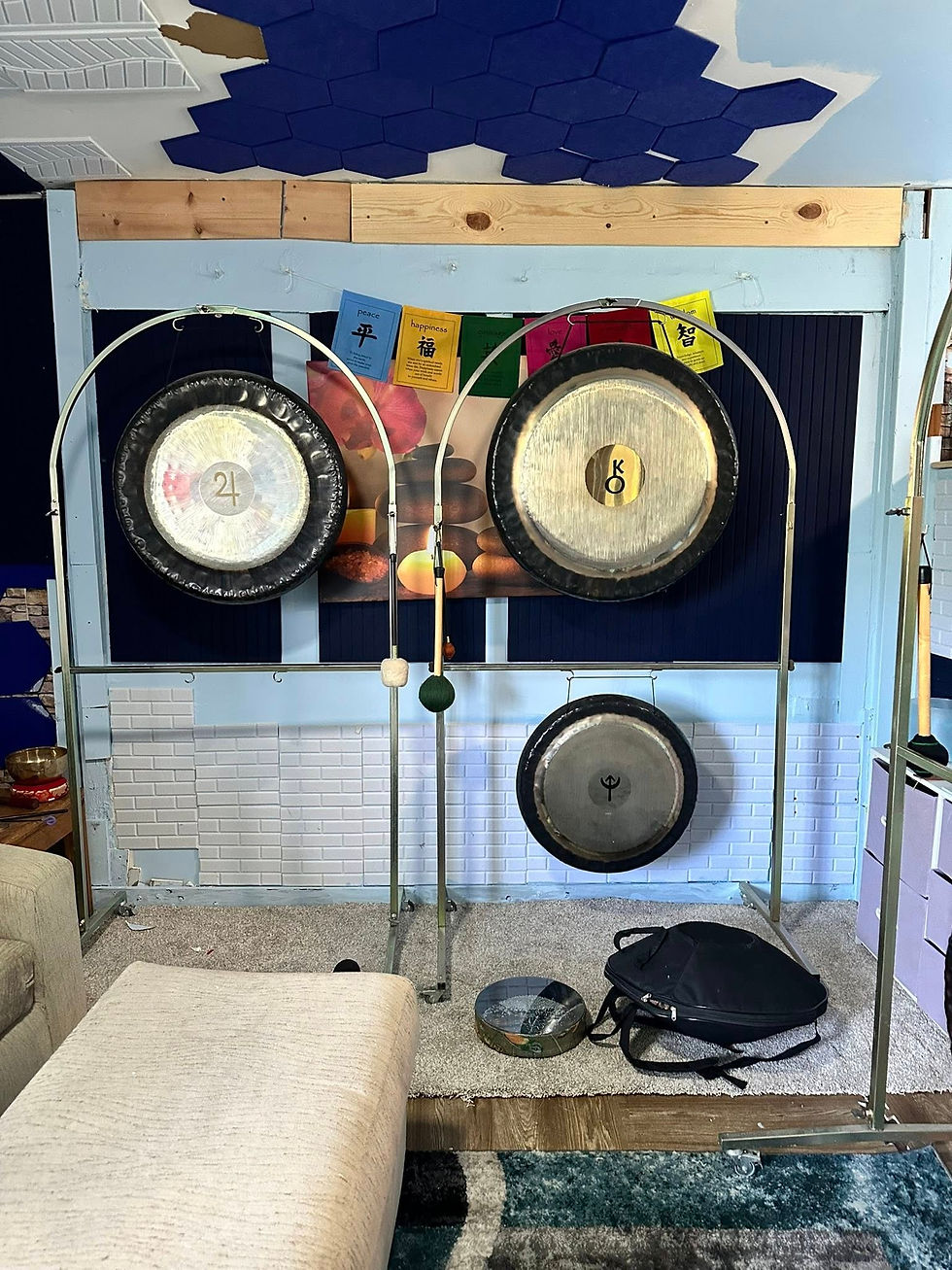
I can be a Sound Alchemist who creates peaceful listening experiences and an advocate who refuses to sugarcoat injustice.
I can write guided meditations about returning to yourself and still demand accountability from institutions.
Those things are not contradictions.
They are all parts of who I am.
Healing did not take away my voice.
Peace did not make me passive.
And compassion did not make me willing to tolerate bullshit.
My Final Message to the VA
I served.
I fulfilled my obligations.
I am living with service-connected disabilities.
I reached out because I needed medical attention.
I left messages.
I waited.
I tried again.
And now I am done calling.
If the VA responds, I can decide what to do with that response.
If they do not, I will pursue another way to have my knee evaluated.
But I will not spend my days begging someone to acknowledge my request.
To the people responsible for veterans' healthcare, I ask:
How many unanswered calls are too many?
How many barriers should a disabled veteran have to navigate?
How many times should a Military Sexual Trauma survivor have to risk re-traumatization while seeking help?
And when will timely, respectful communication become a basic expectation rather than something veterans feel they must fight to receive?
I AM A UNITED STATES NAVY VETERAN.
I AM 100% SERVICE-CONNECTED DISABLED.
MY KNEE IS SERVICE-CONNECTED.
I NEED MEDICAL CARE.
AND I WILL NOT FUCKING BEG FOR IT.
Honor. Courage. Commitment.
Those words should mean something long after a service member takes off the uniform.
And so should the promise to care for those who served.
Julie Jewels SmootCS3(SW), United States Navy Veteran Author Honey Badger Sound Alchemist | Composer | Poet | Author Military Sexual Trauma Survivor and Advocate
My voice. My experience. My boundaries. My right to healthcare.


Comments