Trauma Release Sound Therapy: Healing Sound Therapy Techniques in the US
- Julie Jewels Smoot
- Apr 7
- 4 min read
Healing is a gentle journey. It unfolds slowly, like a soft melody that soothes the soul. I have found that sound can be a powerful companion on this path. Trauma release sound therapy offers a way to ease pain and find peace. It invites us to listen deeply to ourselves and to the world around us. In this space, healing happens naturally, with kindness and care.
Understanding Healing Sound Therapy Techniques
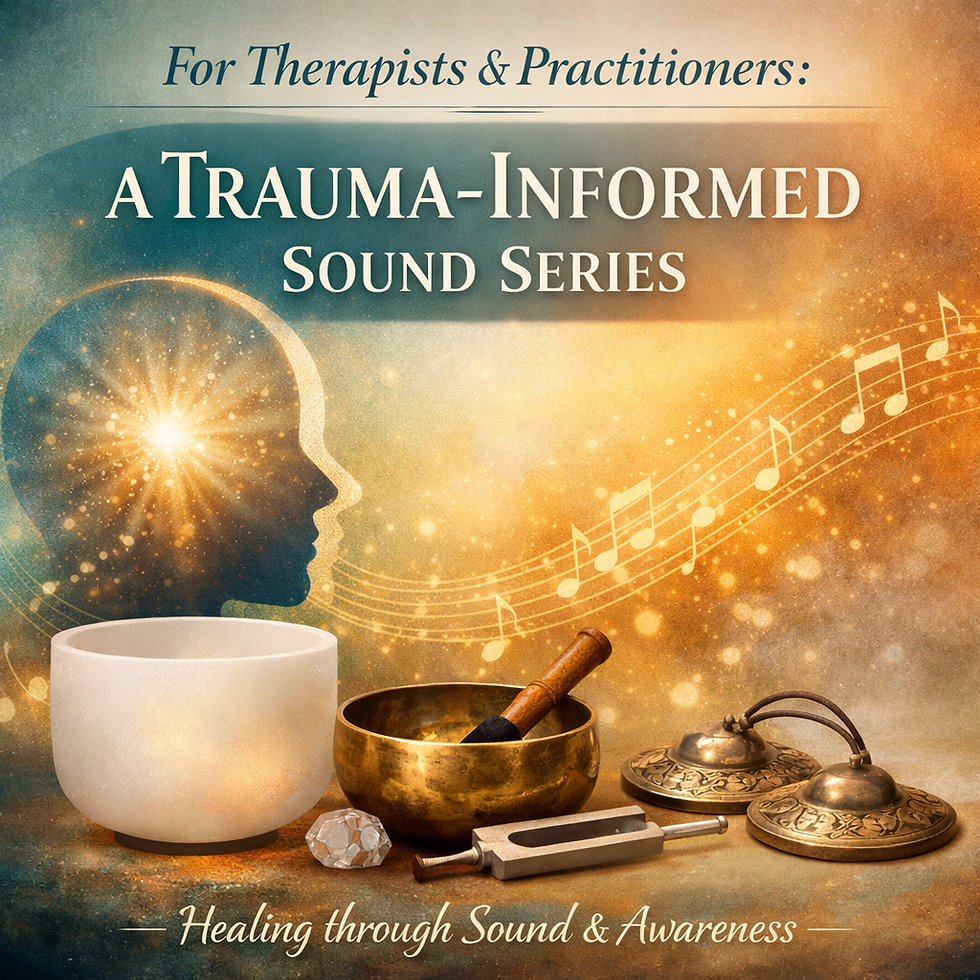
Healing sound therapy techniques use vibrations and tones to support emotional and physical well-being. These sounds can come from instruments like singing bowls, tuning forks, or even the human voice. The gentle waves of sound help to calm the nervous system. They create a safe space where tension can melt away.
When I first experienced sound therapy, I noticed how the vibrations seemed to reach parts of me that words could not touch. The sounds felt like a warm embrace, inviting me to relax and let go. This is the essence of healing sound therapy techniques - a tender invitation to reconnect with yourself.
Some common methods include:
Tibetan Singing Bowls: Their rich, resonant tones help balance energy and promote relaxation.
Tuning Forks: These produce precise frequencies that can target specific areas of the body.
Guided Sound Meditation: Combining soothing sounds with gentle guidance to deepen relaxation.
Chanting and Mantras: Using the voice to create healing vibrations and focus the mind.
Each technique offers a unique way to experience healing. You might find one that feels just right for you, or you may enjoy exploring several.

How Trauma Release Sound Therapy Supports Healing
Trauma can leave us feeling stuck, overwhelmed, or disconnected. Sound therapy gently helps to release these heavy feelings. The vibrations encourage the body to let go of stored tension. This process can feel like a slow unwinding, where layers of stress peel away.
In my own journey, I have noticed that sound therapy creates a safe container. It allows me to face difficult emotions without fear. The sounds act as a steady anchor, reminding me that I am supported. This steady presence is vital when working through trauma.
Practically, trauma release sound therapy can:
Reduce anxiety and stress
Improve sleep quality
Enhance emotional clarity
Promote a sense of calm and safety
Support the body’s natural healing processes
If you are curious about trying this therapy, consider starting with a session led by a trained practitioner. They can guide you gently and help you feel comfortable throughout the experience.
One helpful resource I found is trauma release sound therapy us. This site offers information and connections to practitioners who specialize in this healing art.
Can EMDR be done with sound?
Eye Movement Desensitization and Reprocessing (EMDR) is a well-known therapy for trauma. It traditionally uses eye movements to help process difficult memories. But can sound play a role in EMDR?
Yes, sound can be integrated into EMDR sessions. Some therapists use bilateral auditory stimulation, where sounds alternate between the left and right ears. This method can mimic the effect of eye movements and support the brain’s processing of trauma.
In my experience, adding sound to EMDR can deepen the sense of calm. It creates a soothing rhythm that helps the mind stay present. This combination can make the healing process feel more gentle and accessible.
If you are interested in this approach, it is important to work with a therapist trained in both EMDR and sound therapy. They can tailor the experience to your needs and pace.

Practical Tips for Exploring Sound Therapy at Home
You do not need to wait for a formal session to begin exploring sound therapy. There are simple ways to bring healing sounds into your daily life. Here are some gentle suggestions:
Create a Quiet Space: Find a calm corner where you can sit comfortably without distractions.
Use Recorded Sounds: Try listening to recordings of singing bowls, nature sounds, or gentle music.
Practice Deep Breathing: Combine sound with slow, mindful breaths to enhance relaxation.
Experiment with Your Voice: Hum or chant softly to feel the vibrations in your body.
Set a Routine: Even five minutes a day can make a difference in your sense of calm.
Remember, the goal is not to rush or force anything. Let the sounds guide you naturally. Notice how your body and mind respond. Over time, you may find that sound becomes a trusted friend on your healing path.
Embracing the Journey of Healing with Sound
Healing is not a destination but a gentle unfolding. Sound therapy offers a tender way to support this process. It invites you to listen deeply - to your body, your heart, and your spirit. Through this listening, you can find moments of peace and clarity.
I encourage you to approach sound therapy with an open heart. Allow yourself to be curious and patient. Healing will come in its own time, with kindness and grace.
If you feel drawn to explore further, consider reaching out to practitioners who specialize in this work. They can offer guidance and support tailored to your unique journey.
May your path be filled with gentle sounds and quiet moments of healing.
If you want to learn more about trauma release sound therapy, you can visit trauma release sound therapy us for additional resources and support.


Comments